Every gardener eventually faces this question: should I build raised garden beds or plant directly in the ground? Both methods work. But they solve different problems, and the right choice depends on your soil, your body, your budget, and what you actually want to grow.
Short answer: Raised beds are better if you have poor soil, drainage issues, physical limitations, or want maximum control over growing conditions. In-ground gardens are better if you have naturally good soil, want large-scale production, and want to minimize startup costs.
Soil Quality
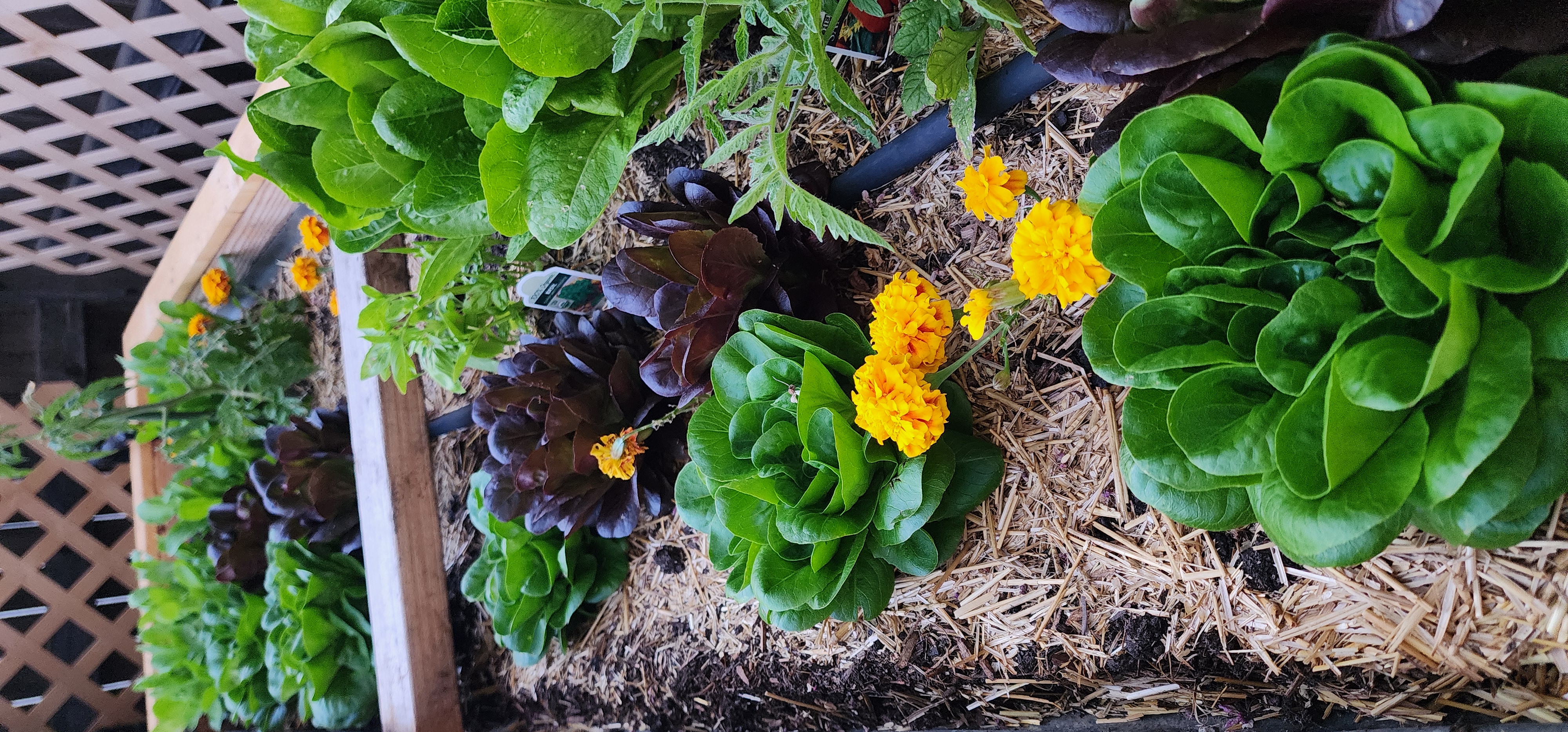
Raised beds win. You fill them with exactly the soil mix your plants need. This is a decisive advantage in areas like Northern California where native soil often has heavy clay, rocks, or hardpan. In-ground gardens depend on whatever soil exists at your site, which may need years of amendments to reach the same quality.
With raised beds, you control the organic matter, drainage characteristics, and nutrient balance from day one. That means healthier plants in the first season rather than spending years building soil.
Drainage
Raised beds win. The elevated structure allows excess water to drain down and out. This prevents root rot, fungal disease, and waterlogged soil that kills many garden plants. In low-lying yards or areas with poor drainage, this advantage alone justifies the investment.
In-ground gardens in flat or clay-heavy areas often stay saturated after rain, especially during the wet California winter months. Raised beds solve this structurally.
Weed and Pest Control
Raised beds win. The defined border and imported soil mean fewer weed seeds to start. Adding landscape fabric or hardware cloth at the bottom blocks burrowing pests like gophers and moles. In-ground gardens are exposed to whatever is already living in the native soil.
Raised beds are also easier to cover with row covers, bird netting, or cold frames because the structure provides clean edges to attach to.
Accessibility and Ergonomics
Raised beds win. A bed that is 18 to 30 inches tall significantly reduces bending and kneeling. For older gardeners, anyone with back or knee issues, or gardeners using a wheelchair, raised beds make gardening physically possible where in-ground planting might not be.
Even at a modest 18-inch height, the difference in comfort is noticeable after an hour of planting, weeding, or harvesting.
Cost
In-ground gardens win on paper. Digging and amending existing soil is cheaper than buying materials for a raised structure plus filling it with imported soil mix. A basic 4-by-8-foot raised bed can cost $150 to $500 in materials alone, plus $50 to $150 in soil. An in-ground bed of the same size might cost under $30 in amendments.
That said, the math changes fast in areas like Sacramento and Placer County where the native soil is full of rock and heavy clay. Breaking through hardpan, hauling away rocks, and amending dense clay year after year adds up quickly. Many homeowners in Lincoln, Rocklin, and Roseville find that building above the problem soil is cheaper in the long run than fighting it.
Raised beds are also a long-term investment. A quality wood bed lasts 7 to 10 years, and the soil stays productive without the annual amendment cycle that in-ground beds in clay-heavy ground require.
Temperature and Season Extension
Raised beds win for early spring. The elevated soil warms faster than ground-level soil, letting you plant 2 to 4 weeks earlier. This is especially valuable in Northern California foothill communities where spring nights stay cool. The trade-off is that raised beds can also dry out and heat up more in summer, requiring more frequent watering.
Scale and Large Production
In-ground gardens win. If you want hundreds of square feet of garden space (think rows of corn, large squash patches, or cut flower farms), in-ground planting is more practical and affordable. Raised beds excel for focused, high-value planting in defined spaces.
Aesthetics
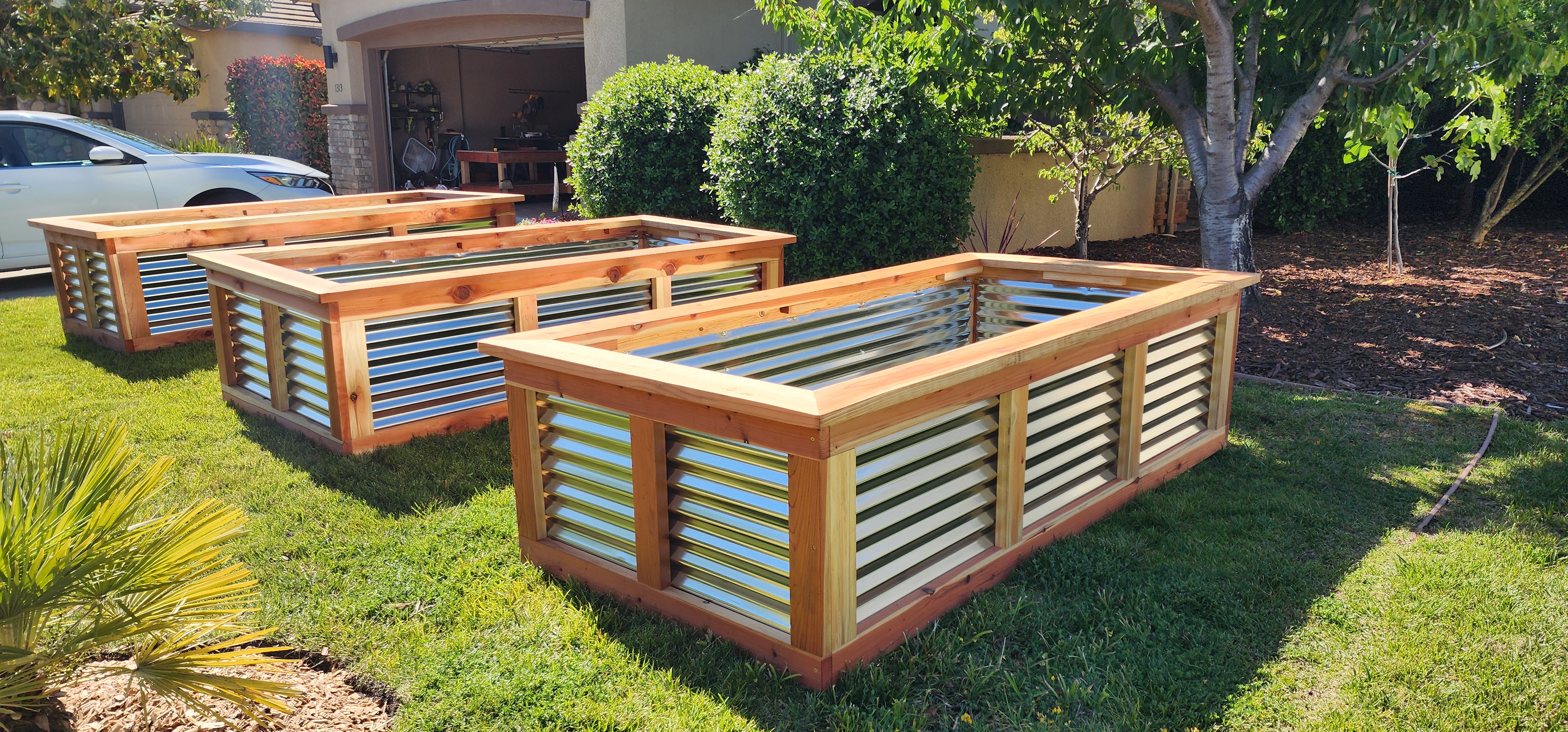
Raised beds win. A well-built raised bed is a piece of outdoor furniture. It defines the garden space, creates visual structure in an otherwise flat yard, and adds property value. In-ground gardens can look organized but they never have the same architectural presence.
Side-by-Side Summary
| Factor | Raised Garden Beds | In-Ground Gardens |
|---|---|---|
| Soil quality | Complete control | Depends on native soil |
| Drainage | Excellent | Varies by site |
| Weed control | Fewer weeds | Ongoing battle |
| Accessibility | Reduced bending | Ground level |
| Startup cost | $150-$800+ | Under $50 |
| Longevity | 7-10+ years | Permanent |
| Best for | Poor soil, patios, defined spaces | Large plots, good native soil |
FAQ: Raised Beds vs. In-Ground Gardens
-
Are raised garden beds better than in-ground gardens?
Raised beds offer better drainage, fewer weeds, warmer soil in spring, and easier access. In-ground gardens cost less to start and work well in areas with naturally good soil. The best choice depends on your soil conditions, physical needs, and budget.
-
Do raised garden beds produce more vegetables?
Often yes. Raised beds let you control soil quality precisely, prevent compaction from foot traffic, and warm up faster in spring for earlier planting. Studies from university extension programs show raised beds can produce 1.5 to 2 times the yield per square foot compared to traditional rows.
-
How much does a raised garden bed cost compared to an in-ground garden?
An in-ground garden plot costs very little beyond soil amendments and seeds. Raised beds have a higher upfront cost for materials and soil fill, typically $150 to $800+ depending on size and material. However, raised beds reduce ongoing maintenance costs and last for years.
-
Can I put a raised garden bed on concrete or a patio?
Yes. Raised beds work on patios, driveways, concrete pads, and even rooftops. Just ensure adequate depth for roots (at least 12 inches) and proper drainage at the bottom. This is one of the biggest advantages over in-ground gardens, which require existing soil.
The Bottom Line
For most homeowners who want a clean, productive, and beautiful garden in a defined space, raised beds are the better investment. They solve the most common gardening problems (bad soil, poor drainage, weeds, and physical strain) in one package. And when they are built with quality materials and proper construction, they last for years without the maintenance headaches of cheap alternatives.